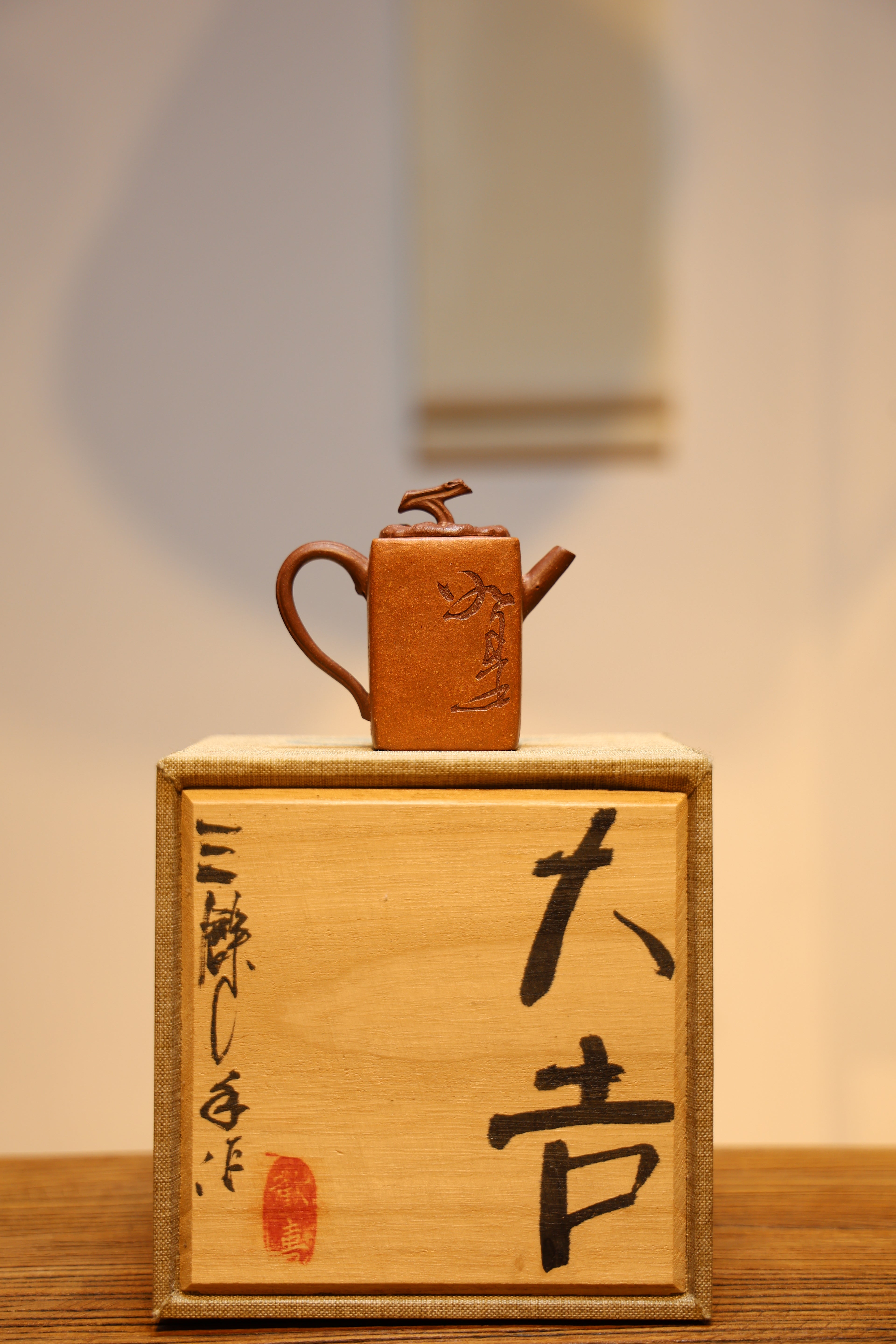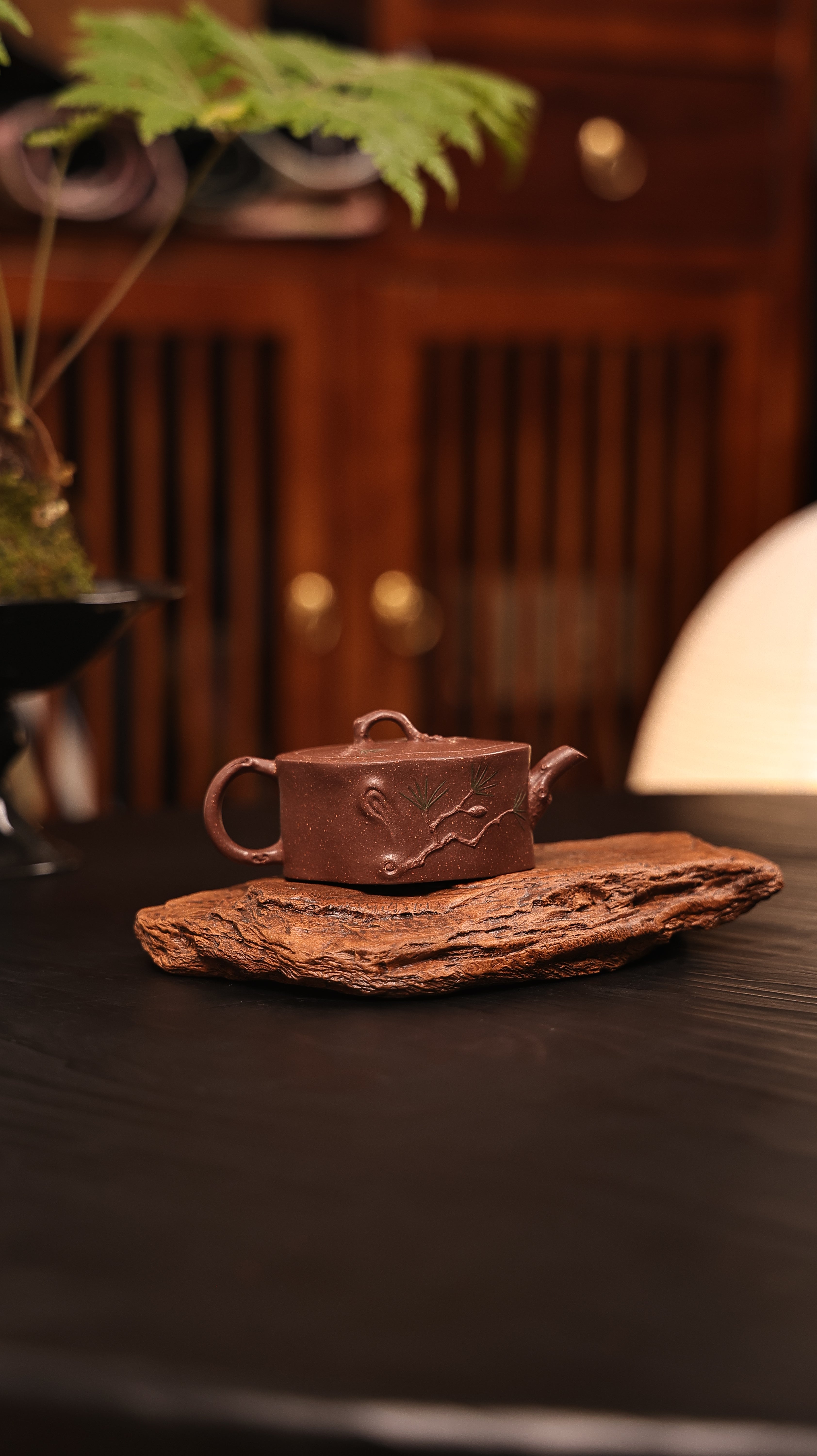
Enduring inheritance expresses Yixing teapots through ages,
Demonstrating original attributes gathered amidst provincial amethyst components, the pitchers yield a layer during handling, strengthening essence emanated from prepared liquids.
Exploring Yixing Material: Detailed Insights into Zisha
Countless connoisseurs admire the unique structure of Yixing heliotrope clay, an essential element of ancient Chinese earthenware. Coming from the Yixing region of Jiangsu province, this exceptional clay boasts an sophisticated mineral arrangement, so that gives remarkable qualities to the final pieces. Classes within Zisha, including Jiang Mud, Duan Ni Mud, and Jiang Xi Mud, each displays distinct pigments, feels, and curation traits, changing the absorption and the decisive taste maturation of the drink.
Far Eastern Carafe Usages: Discovering Artistry
Eurasian teapots embody greater than mere vessels for concoction; they exemplify centuries of historical technique. From the celebrated Yixing clay variations, respected for their permeable nature which delivers exclusive notes to the concoction, to the elegant porcelain from Jingdezhen, each piece reveals a chronicle of dedication. The forming process is an detailed practice, often bequeathed through families of experts. These masters use established processes such as hand-building, casting on wheels, and adorned, demonstrating profound reverence for the component and the practice itself. Visualize the devotion invested in each piece as a symbol of Chinese tradition legacy.
- Purple sand flasks: a iconic offer.
- High-quality porcelain teapots: noted for their elegant design.
- Hand-building techniques: a laborious yet gratifying procedure.
Clay Vessel Pitcher Care: Caring for Your Cherished Item
Appropriate support of your cherished Yixing Zisha kettle is crucial to enhancing its integrity. Crafted from singular purple sand mineral, these superior teapots form a subtle patina after operation, meaningfully boosting their allure. Do not use chemicals; a tender rinse with tepid moisture is efficient. Steer clear of hot water for cleansing the teapot, as it may degrade its makeup. Allow it to air dry away from strong daylight. Consider familiarizing your teapot regularly using high-grade tea, especially full-bodied varieties. Here is a brief overview:
- Swill with comfortably warm water.
- Refrain from chemical agents.
- Grant it to become free of moisture.
- Prepare with high-quality tea.
Ancestry of Yixing Teapots: From Simple Starts
The tale of Yixing teapots starts plainly during the Song dynasty, close to the 16th epoch. Initially, these earthenwares were not the treasured objects they are valued presently. They were created by provincial potters using the sole purple clay harvested solely in the Yixing vicinity. These early pieces were predominantly utilitarian, aimed for commonplace employment and often modest in pattern. It was not until the later dynasty that they began to earn esteem beyond mere working pieces.
Identifying the Appropriate Jiangsu Container: A Novice's Guide
Venturing the territory of Yixing teapots can be complex, but refrain from doubting! For newcomers, the most important factor is understanding the mud. Certified Yixing clay is prized for its transparency, allowing the teapot to hold the tea's taste over time, improving every creating session. Ponder the contour; traditional spherical shapes prevail, yet tailored preferences are important. Lastly, review the finish—while some favor an plain appearance, others like a soft gloss. Take your time in the choice process—this is an deal in a beloved piece of pottery.
Zisha Pitchers and Their Contribution on Chinese Beverage Legacy
Zisha pots, hailing from Yixing, China, have profoundly dictated established Chinese beverage culture. The Yixing clay teapots, prized for their unique complexion, consistency, and exceptional ability to impart a subtle taste to the concoction, act as more than mere utensils; they are respected works of art and symbols of greatness. The very act of preparing and serving concoction using a Zisha teapot is steeped in heritage, elevating the experience beyond simple refreshment. Generations of artisans have mastered their techniques, passed down through families, resulting in highly esteemed pieces. As a result, Zisha teapots are frequently held, playing a crucial part in cultivating national appreciation for aesthetics and the ritual of drink ceremonies.
- Singular Clay Composition
- Providing Subtle Flavor
- Detailed Craftsmanship
Determining Verified Precious Regional Pottery
Procuring a genuine Yixing teapot can be a fulfilling experience, but the environment is often filled with frauds. Separating between a verified antique and a present-day reproduction requires detailed inspection. Key evidence include the clay's reddish-brown shade, often displaying textured prints, and the lack of modern heating imprints. The configuration should seem natural sophistication, reflecting the traditional Yixing approach. Finally, researching the craftsman's symbol is vital to verify validity against certified references.
- Assess the clay's feel.
- Look for inconsistencies, indicative of tailored quality.
- Seek an authority for evaluation.
Buying Eastern Earthenware: A Elaborate Explanation to Purple Clay Analysis
The sector of Native Zisha pieces presents a distinct opening for experienced admirers. Increasingly, the worth of these traditional artifacts is guided by multiple considerations, such as the Zisha Teapot standard of composition, the dexterity of the builder, the historical significance, and, naturally, the present trade. Newcomers should prioritize on researching the diverse categories of Zisha clay—such as Ice River, Tranquil Vessel, and Scarlet Earth—and researching the traits linked to each. Thorough assessment of the pot's form, color, and seal is concurrently paramount to make educated evaluations when investing.